Enterate
Marivi
& Sara
Enterate Marivi & Sara
To be honest, our relationship with Enterate Marivi & Sara didn’t start with alignment. It started with hesitation. Some may call this fear or doubt. So, it’s safe to say that our continued growth with Enterate Marivi & Sara is a true testament of Faith. (o Confianza!)
They approached Erace The Hate offering support, even a donation towards our Soular Sunday event. We were skeptical. It felt like there was something behind it,like we were being pulled into selling something.
At the time, our focus was clear: tell the stories of creatives in the community, and protect their integrity of the community. Not monetize it. (Although, we had recently shifted to a non-profit model, so getting donations was a new phenomenon lol)
On top of that, we didn’t look the same.
We didn’t speak the same primary language.
And we came from different cultural starting points.
It didn’t feel like an obvious fit.
So, what kept the conversation going wasn’t business.
It was alignment on purpose.
A shared belief in doing God’s will.
A shared urgency around making sure Black and Brown communities had access to real support, not just information.
This is where things shifted.
As we got deeper into the work, we realized this wasn’t just about healthcare access in the present. There was history behind the hesitation we were seeing in the community.
From the 1940s through the 1970s, access to healthcare in the U.S. was not equal. In many cases, it was intentionally unequal. Hospitals were segregated. Black patients were often denied care or treated in underfunded facilities. Even after the Civil Rights Act of 1964, disparities didn’t just disappear, they evolved.
Practices like hospital segregation, unequal funding, and limited access to physicians created long-term distrust in the system.
Moments like the Tuskegee Syphilis Study left a lasting impact, reinforcing fear and skepticism toward healthcare institutions in Black communities.
Even leaders like Martin Luther King Jr. spoke directly about this, calling healthcare inequality “the most shocking and inhumane” form of injustice.
By the 1970s, there was a push to rethink healthcare systems altogether. The rise of Health Maintenance Organizations (HMOs) was meant to expand access and control costs, while global conversations led by organizations like the World Health Organization began emphasizing healthcare as a fundamental human right.
However, systems don’t automatically rebuild trust. People do.
That context changed how we approached everything.
Erace The Hate involvement wasn’t about convincing people to “buy” healthcare. It was about rebuilding understanding in communities that had valid reasons to be cautious.
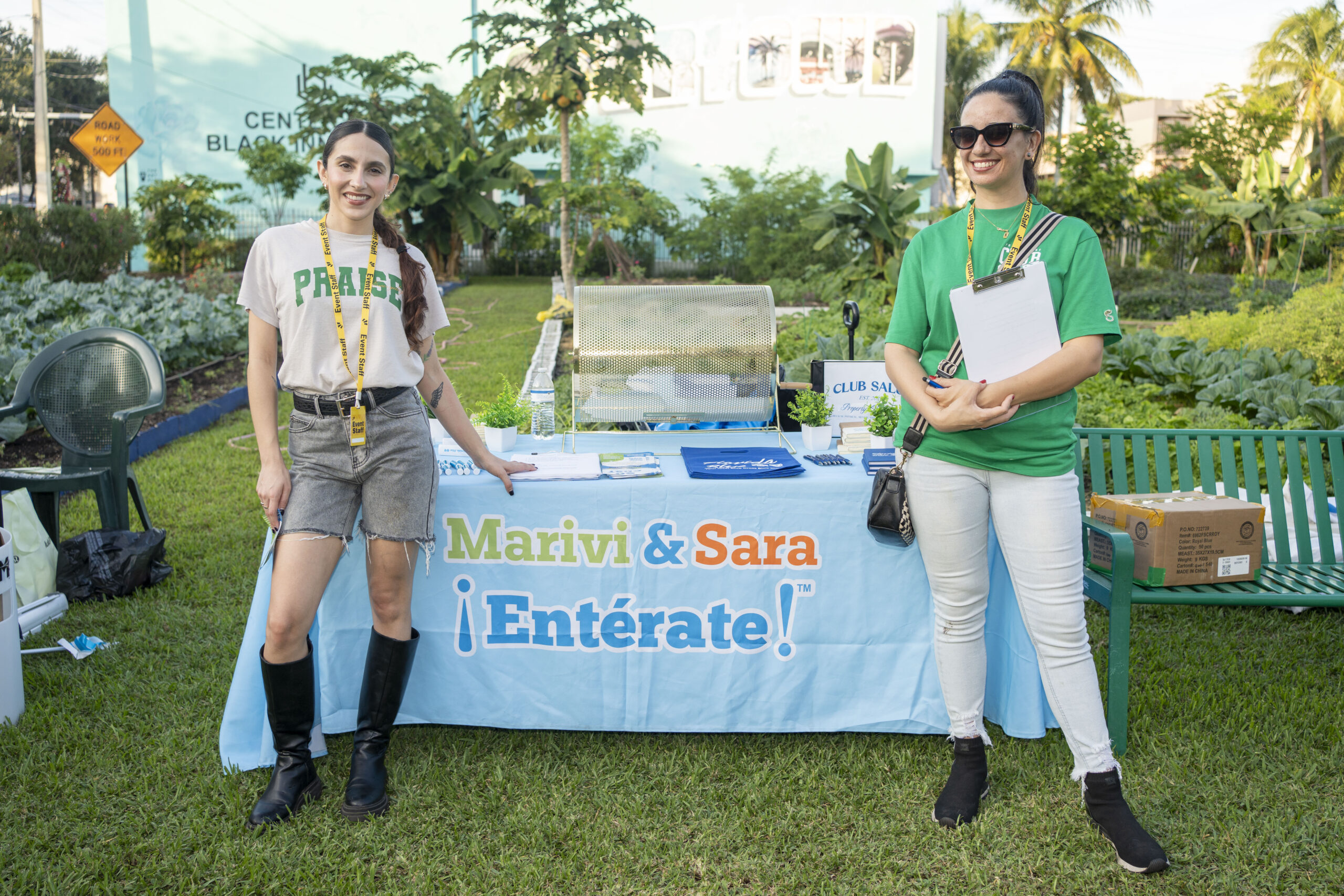
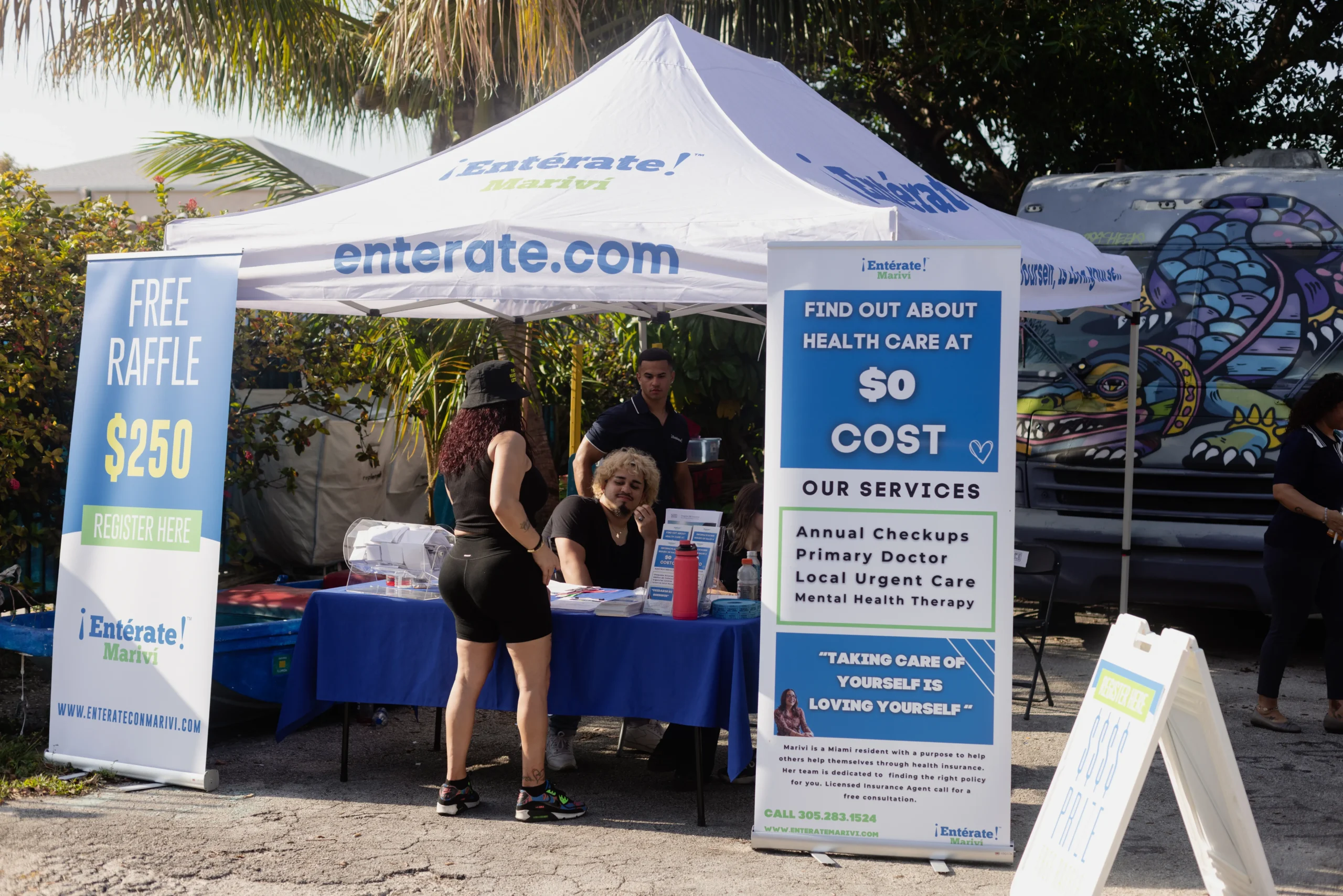
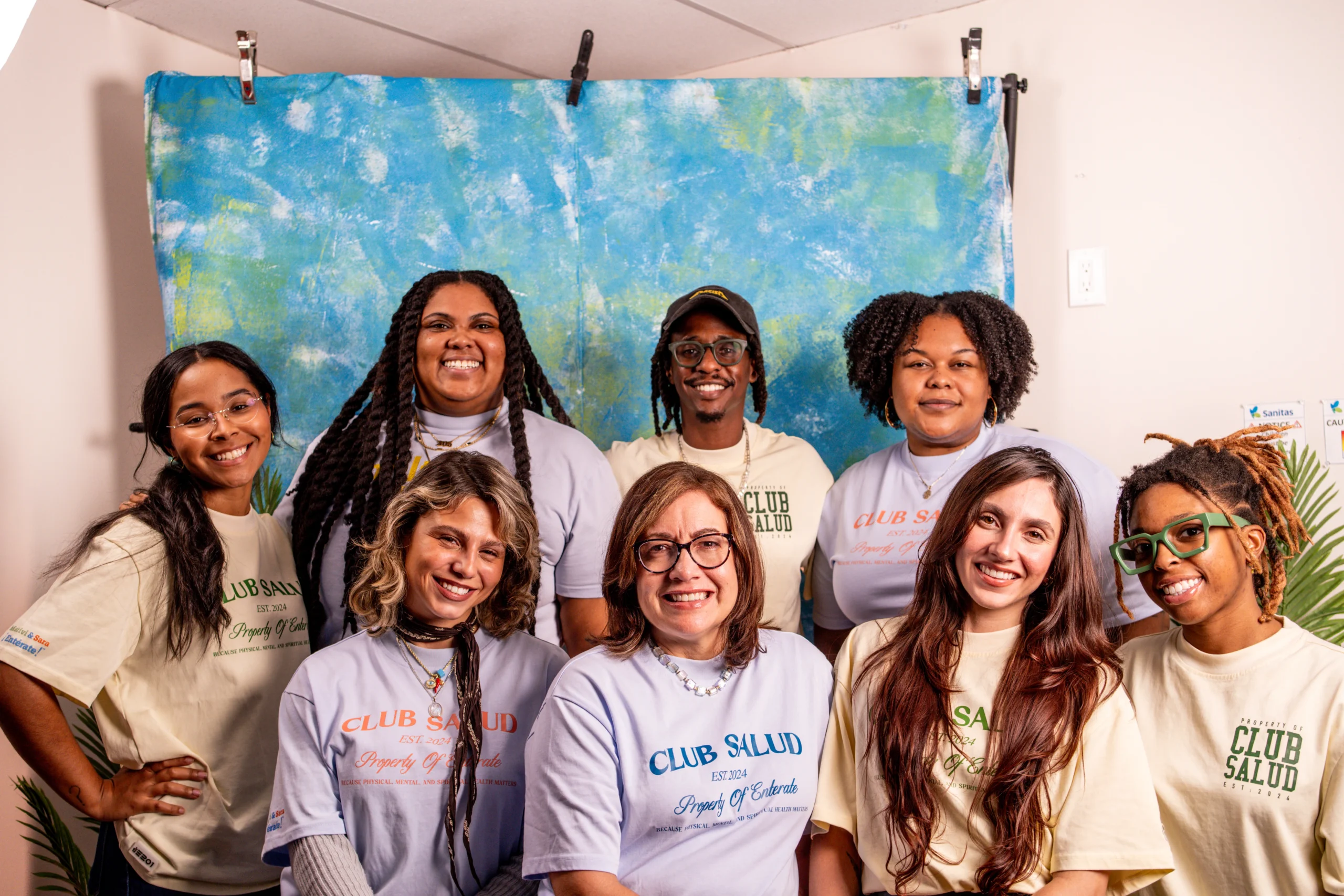
Together with Enterate Marivi & Sara, we built a brand and outreach strategy that met people where they were spiritually, mentally, and physically.
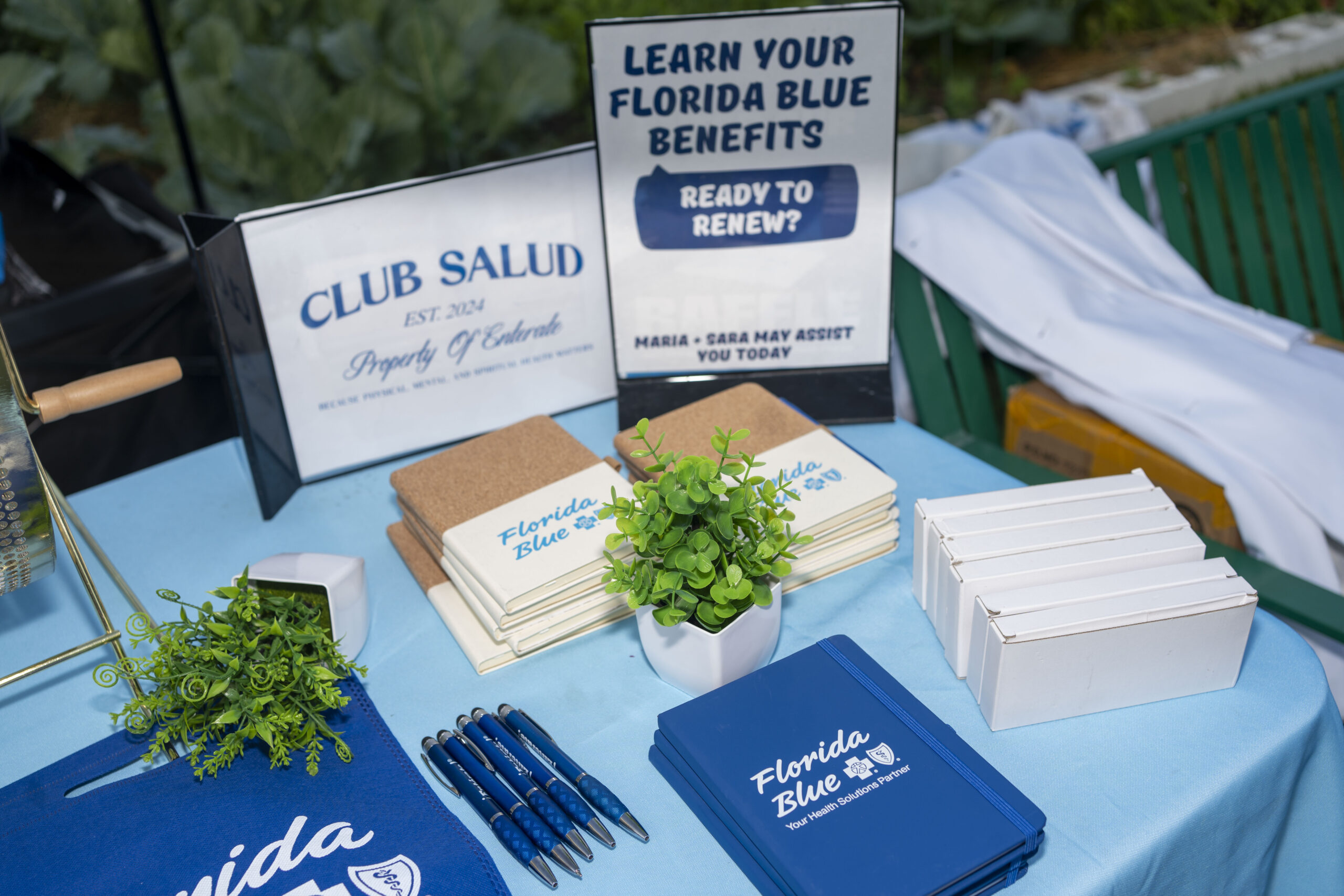
We developed the full ecosystem: logo, website, messaging, social media, merchandise, and experiential activations designed to feel familiar, not forced.
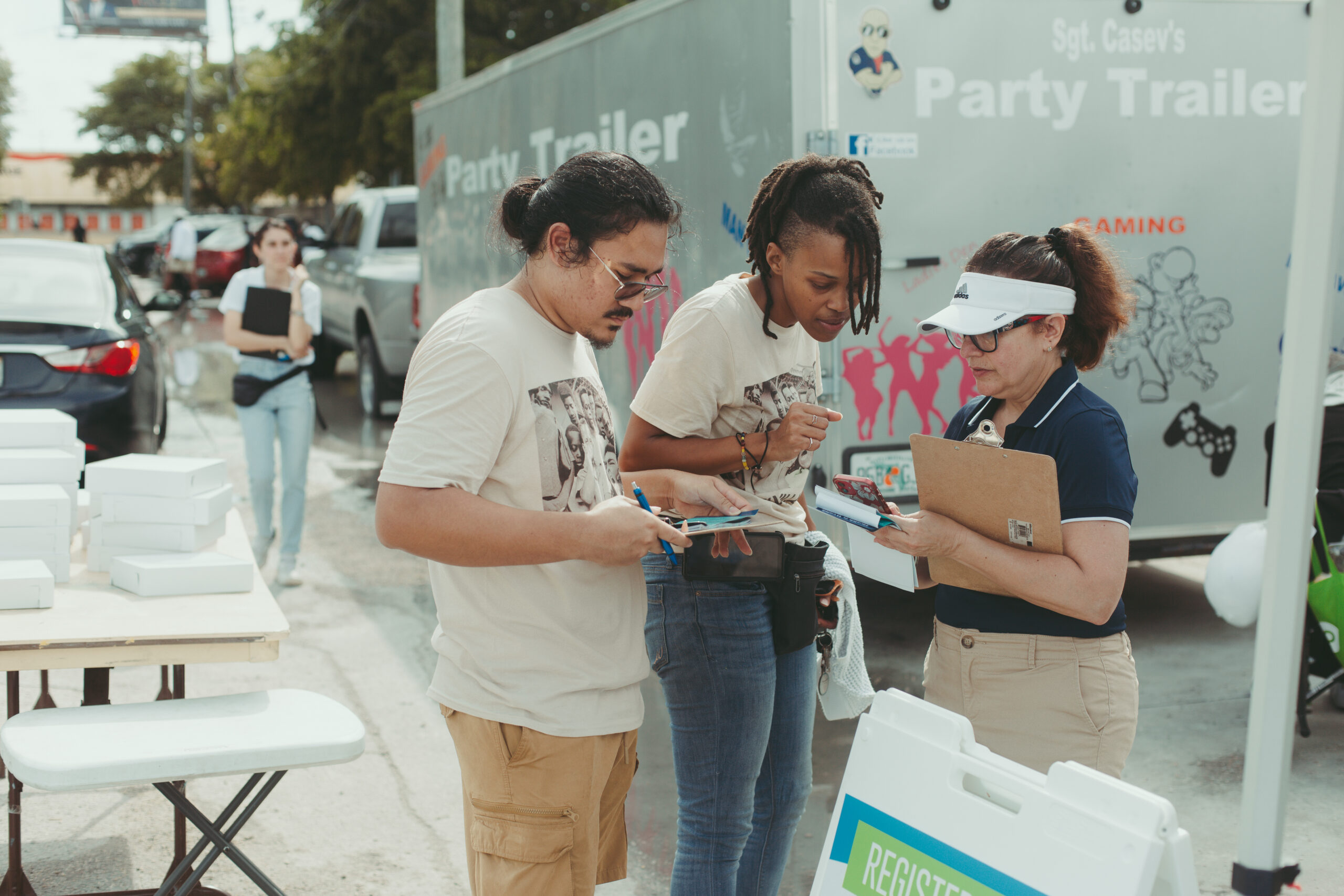
Our collaborative events don’t feel like enrollment drives. They feel like community.
Music playing. People connecting. Creatives networking. Families present.
That’s what brought people in. And what made it meaningful were the conversations that followed. People are asking questions they’d never asked before. People are realizing coverage was more accessible than they thought. People understanding, sometimes for the first time, what their options actually are.
As we continued showing up, patterns became clear.
Roughly 1 in 4 people between the ages of 25–40 in the spaces we served did not have coverage. They were without support not because of neglect, but out of confusion, misinformation, or past experiences that shaped how they viewed the system.
This inspired the ARTrepreneurs. We adjusted.
We simplified messaging.
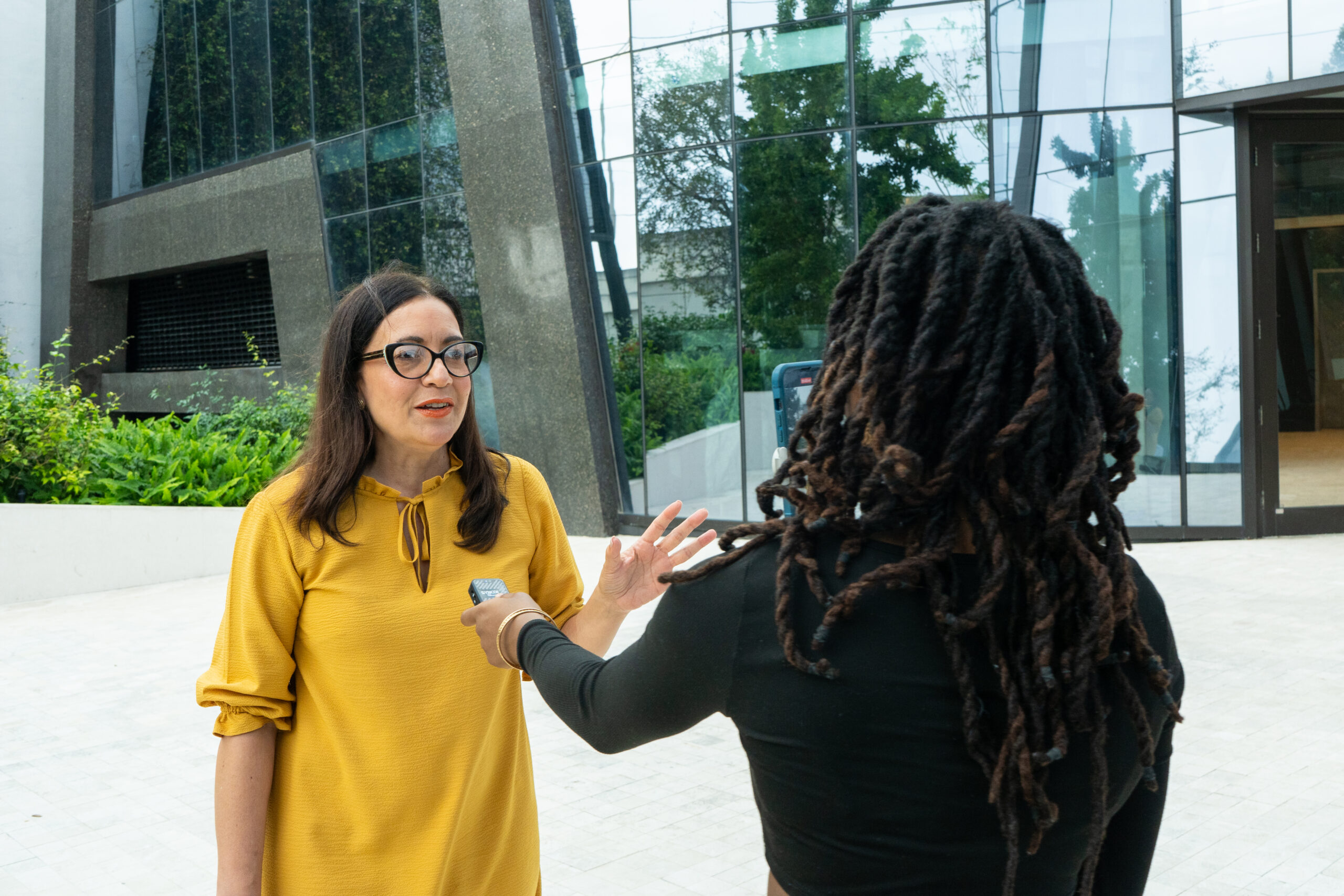
We leaned into storytelling.
We showed real people navigating real decisions.
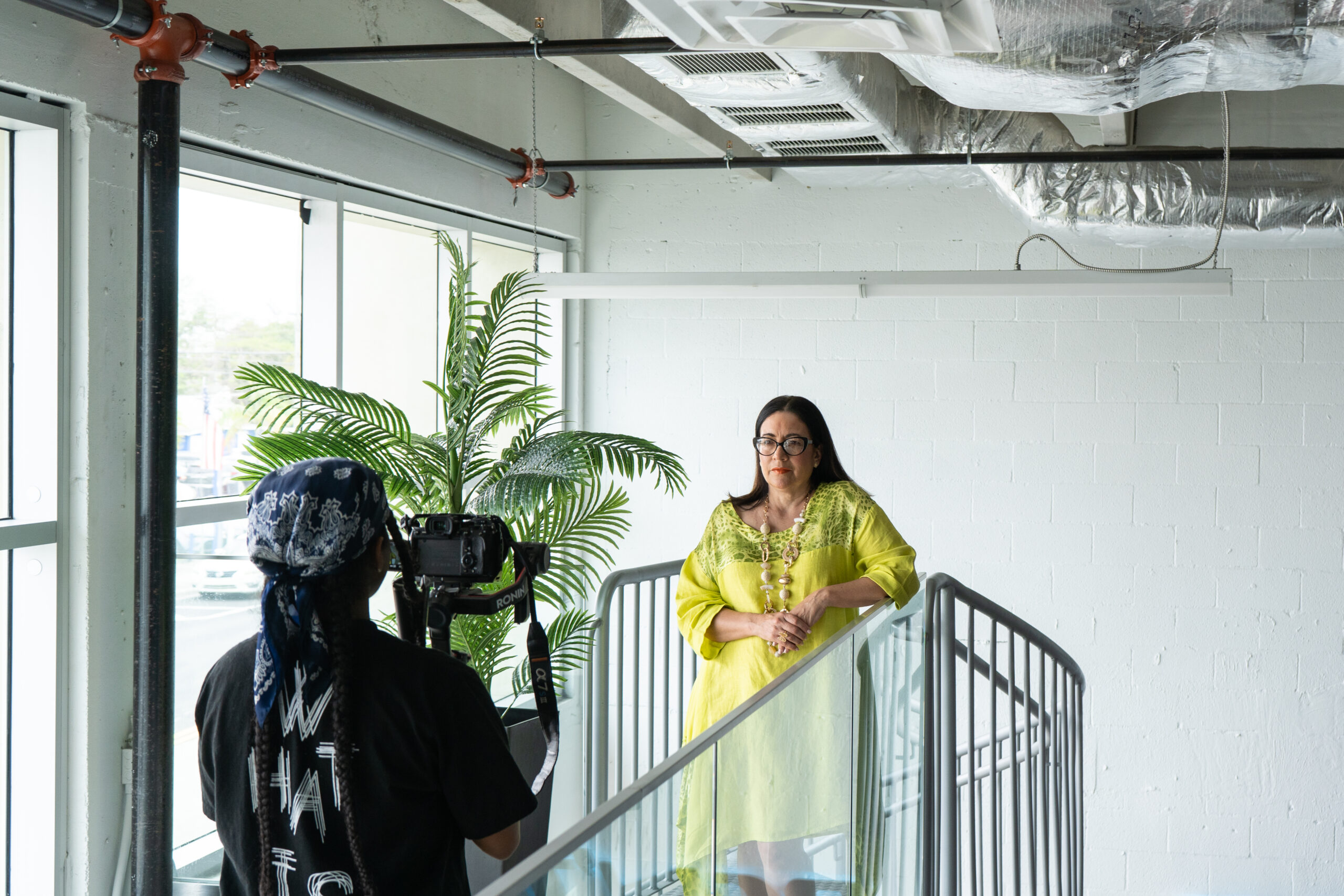
And we documented EVERYTHING.
We created visibility that built trust at scale.
Over four years, the impact became tangible.
More than 2,000 people across Miami were reached through activations, content, and direct engagement. More importantly, the conversation around healthcare started to shift. People who once avoided it began to engage with it.
This is where our brand architecture proved its value. Our partnership gave us Proof.
Proof that trust can be built across cultural and language barriers.
Proof that historical context matters when communicating in underserved communities.
Proof that healthcare education is most effective when it feels human, not institutional.
Proof that consistent presence creates real behavior change.
Proof that storytelling can rebuild what systems have broken.
This is one of our examples of organizational partnership.
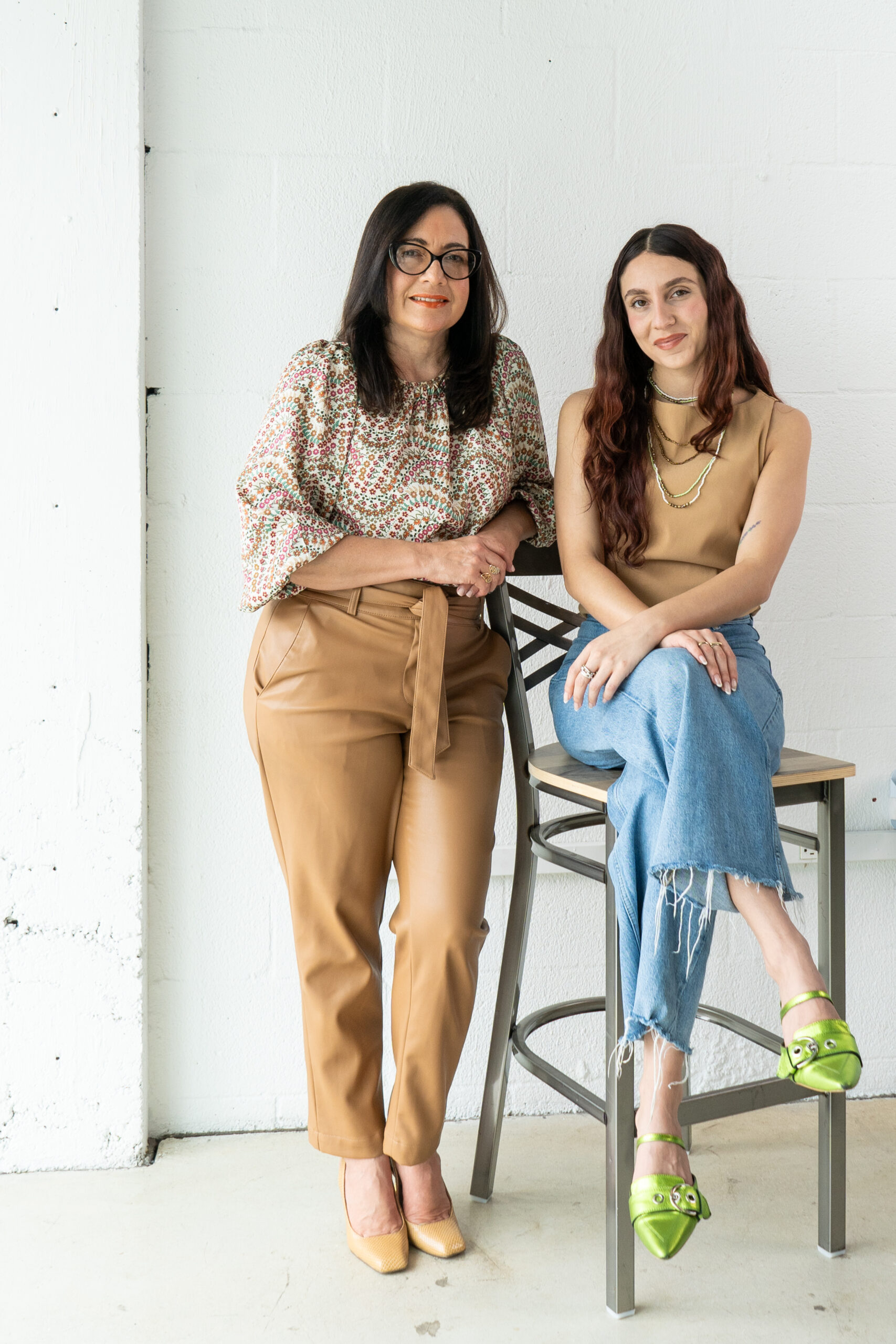
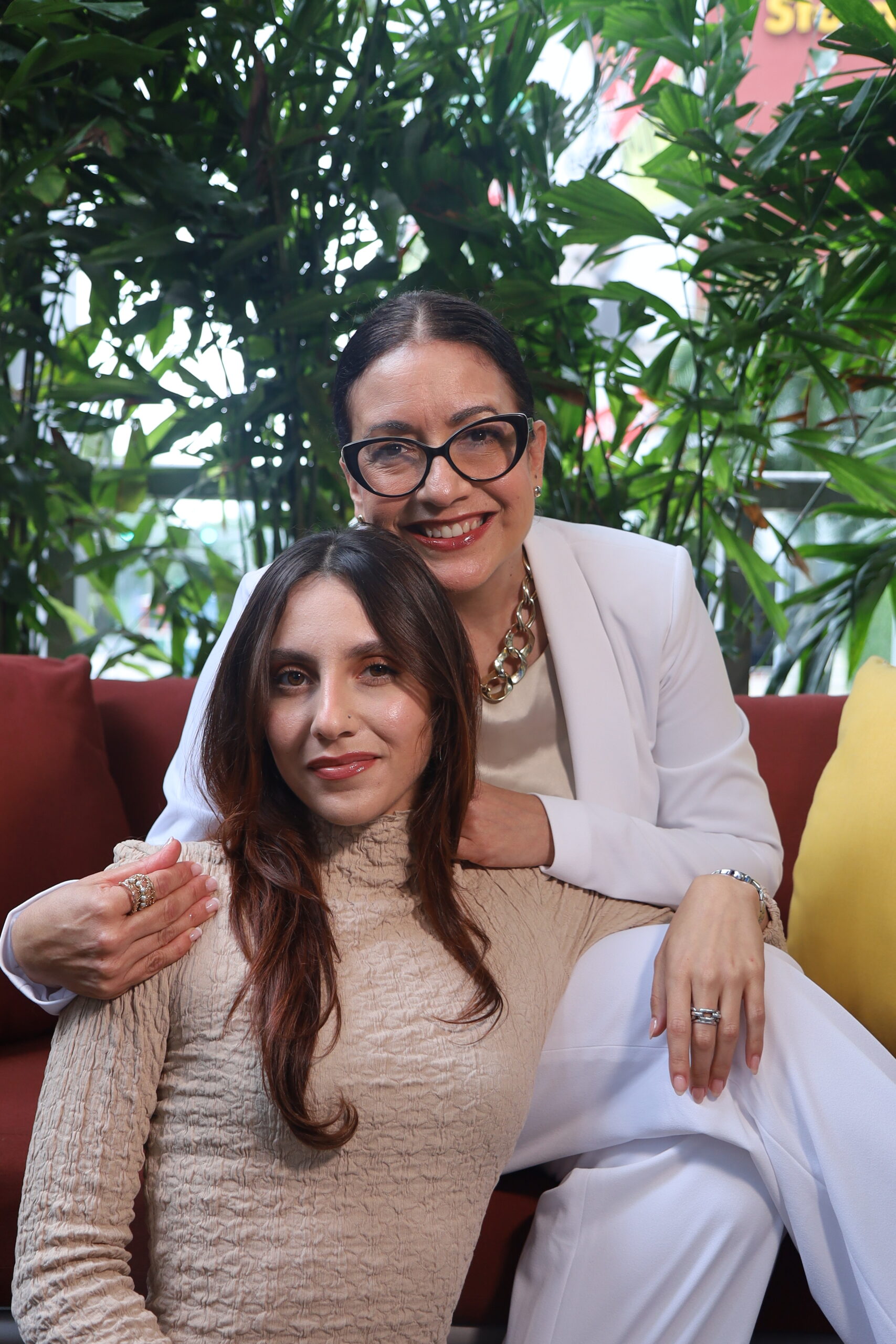
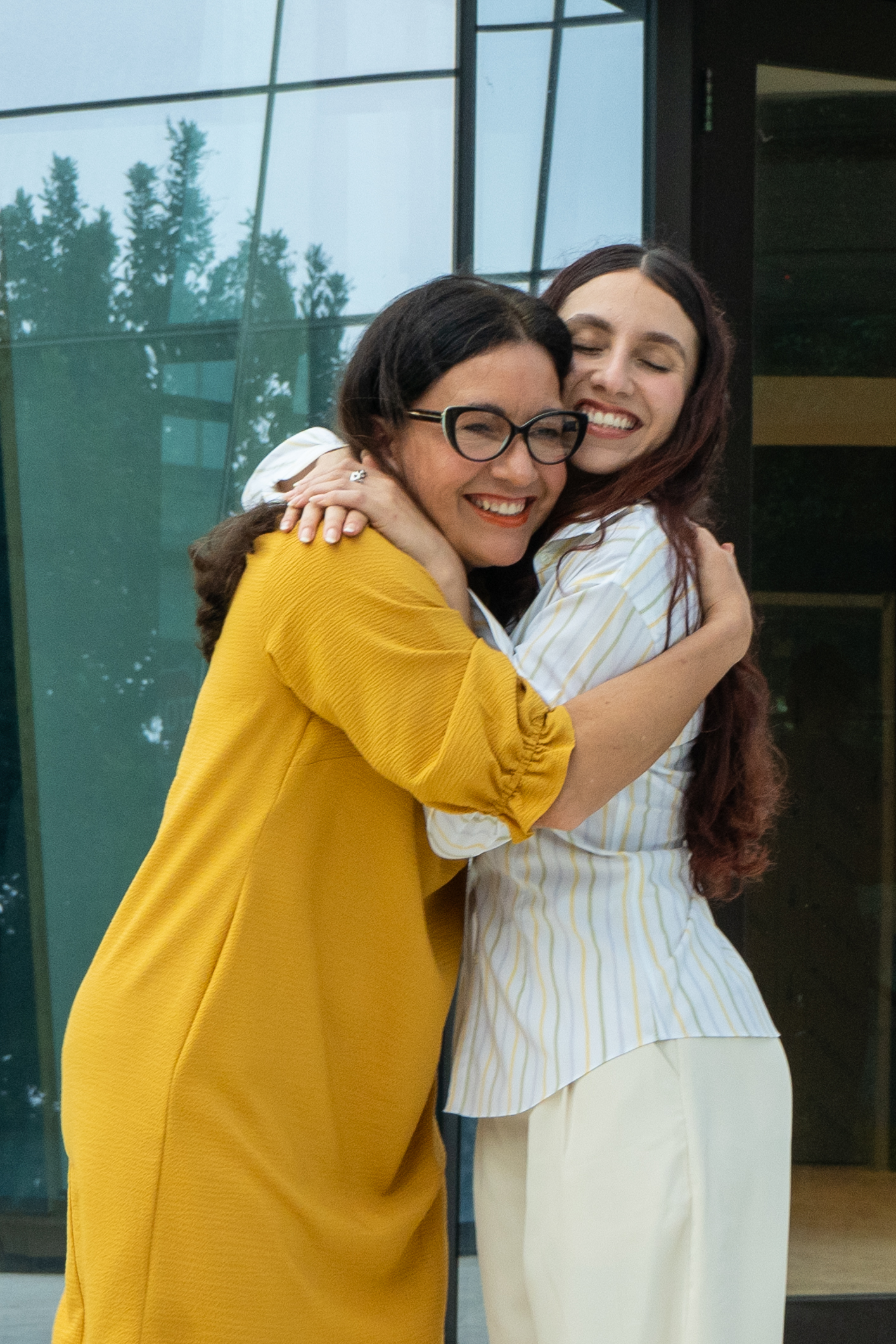
It’s a partnership built on shared values, mutual respect, and a commitment to the same community, a global community.
What started with hesitation turned into alignment.
What felt unfamiliar became trusted.
What began as outreach became impact.
And the work continues.
Date:
April 16, 2026
Executive Director:
Lyndon GraytCreative Direction:
Christa IngrahamProject Management:
Christa IngrahamGraphic Design:
Lyndon Grayt, Derrin MillerVideographers:
Diana Davance, Delano Williams, Karri JacksonContent Creator:
Rislanca IsophePhotographers:
Christa IngrahamProduction Assistant:
Stanley BlaiseEditors:
Erace The Hate Post-Production TeamMarketing:
Jasmin Galecio, Lyndon Grayt, Rislanca Isophe, Mikaela James, Crystal MejiaBrand Ambassadors:
Dana Gomez, Jasmin GalecioWeb Development:
Lyndon Grayt, Shohel TaysirPartners:
Enterate Marivi & Sara